Build / Headwear
The detail people remember.
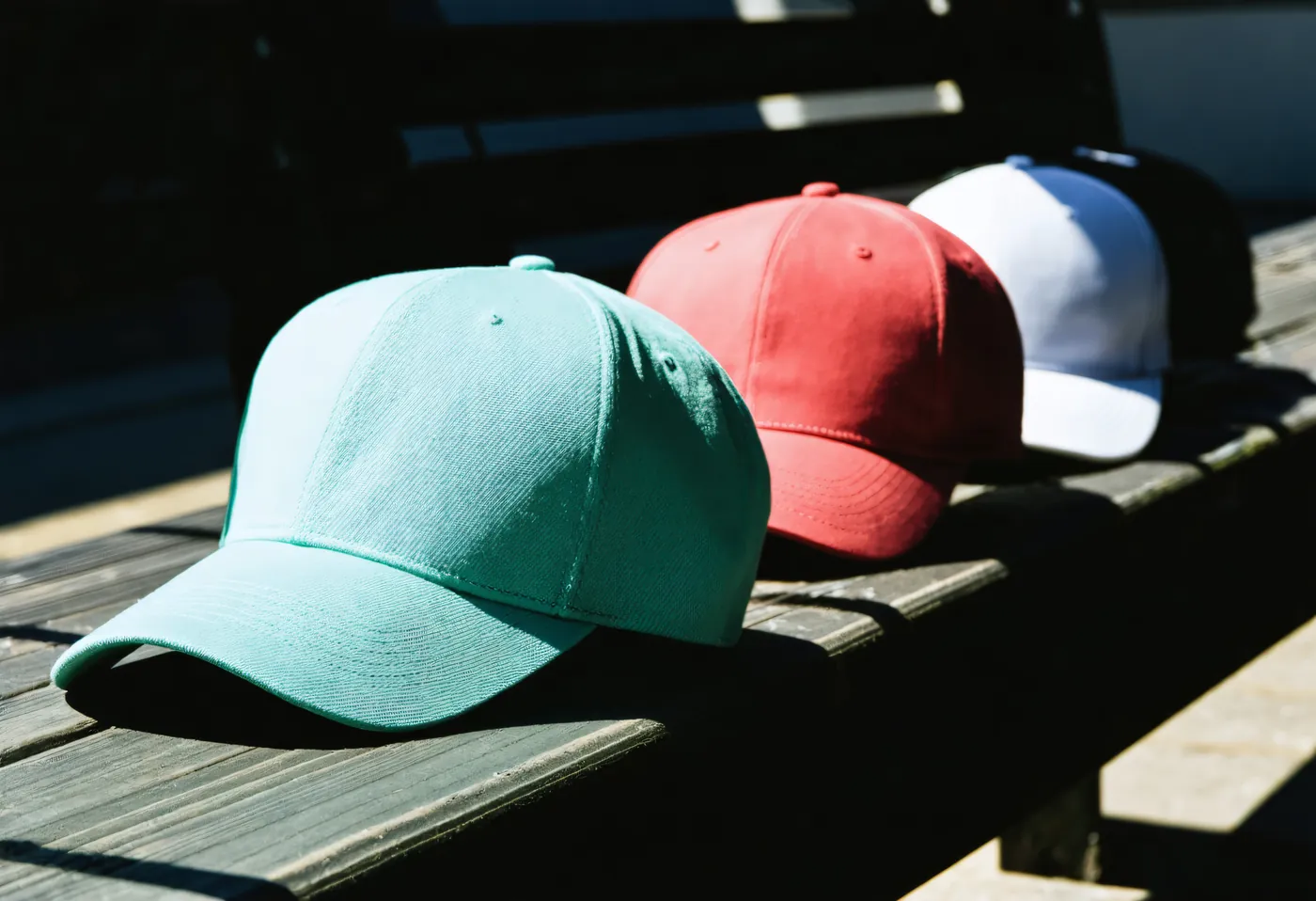
Headwear sells at a good price, gets worn far more than a tee, and shows every shortcut. Panel construction, stitch density and how a patch is applied all decide whether it reads as premium or as a giveaway.
Product
What we build.
Structured caps
Six-panel and five-panel, mid and high crown, curved and flat brim, snapback and strapback closures.
Available now
Unstructured caps
Dad caps and washed cotton, softer crown, the default for a relaxed capsule.
Available now
Beanies
Cuffed, uncuffed and fisherman, with woven labels, embroidery or applied patches.
Available now
Trucker and mesh
Foam front and mesh back, good for events and warm-weather programmes.
Available now
Custom trims
Woven labels, undervisor prints, custom eyelets, closures and packaging.
Available now. Longer lead time than decoration.
3D product preview
Category-specific interactive preview before sampling.
Roadmap. Not built and not scheduled for this release.
Finish
The same mark, three ways.
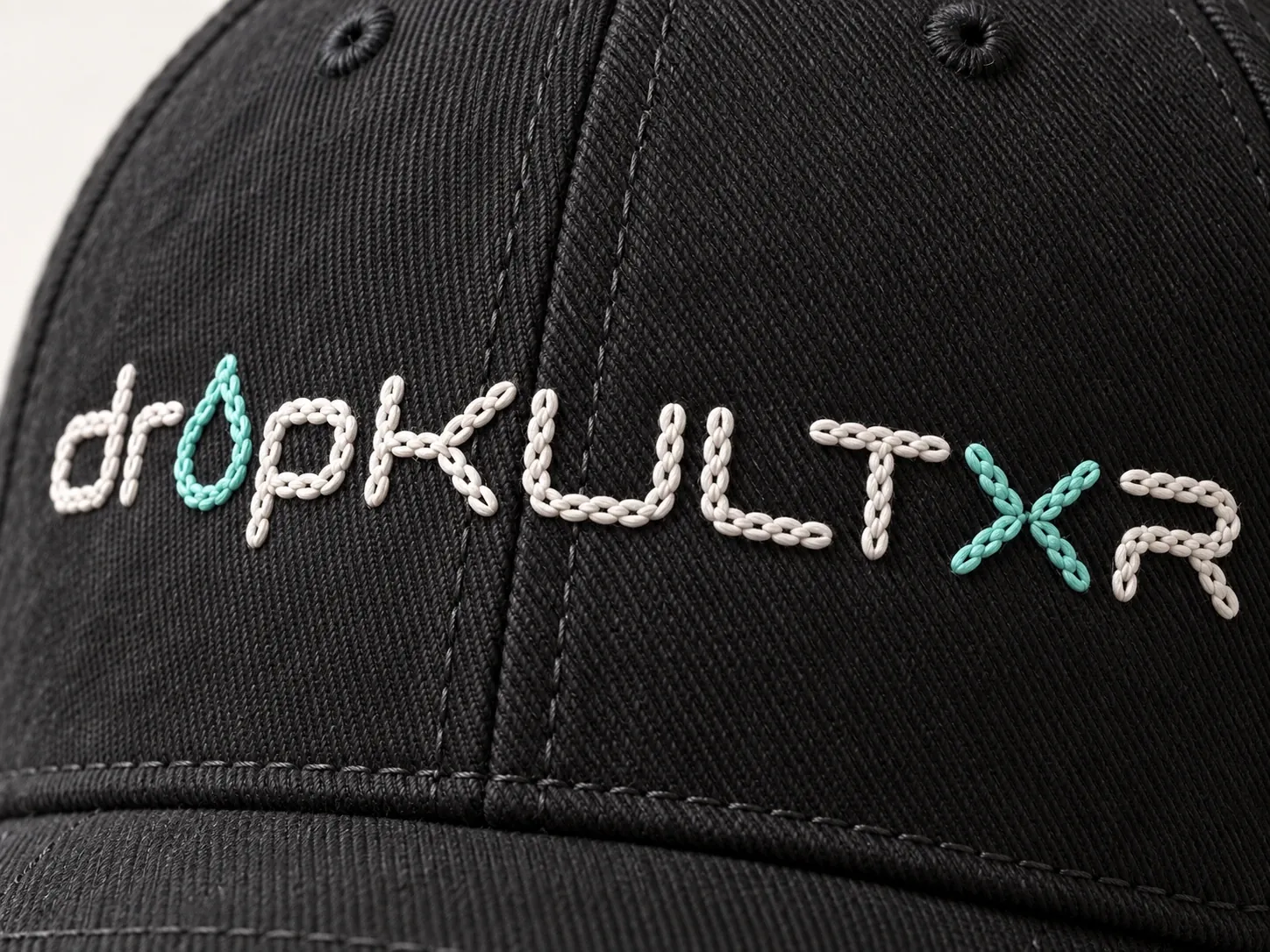
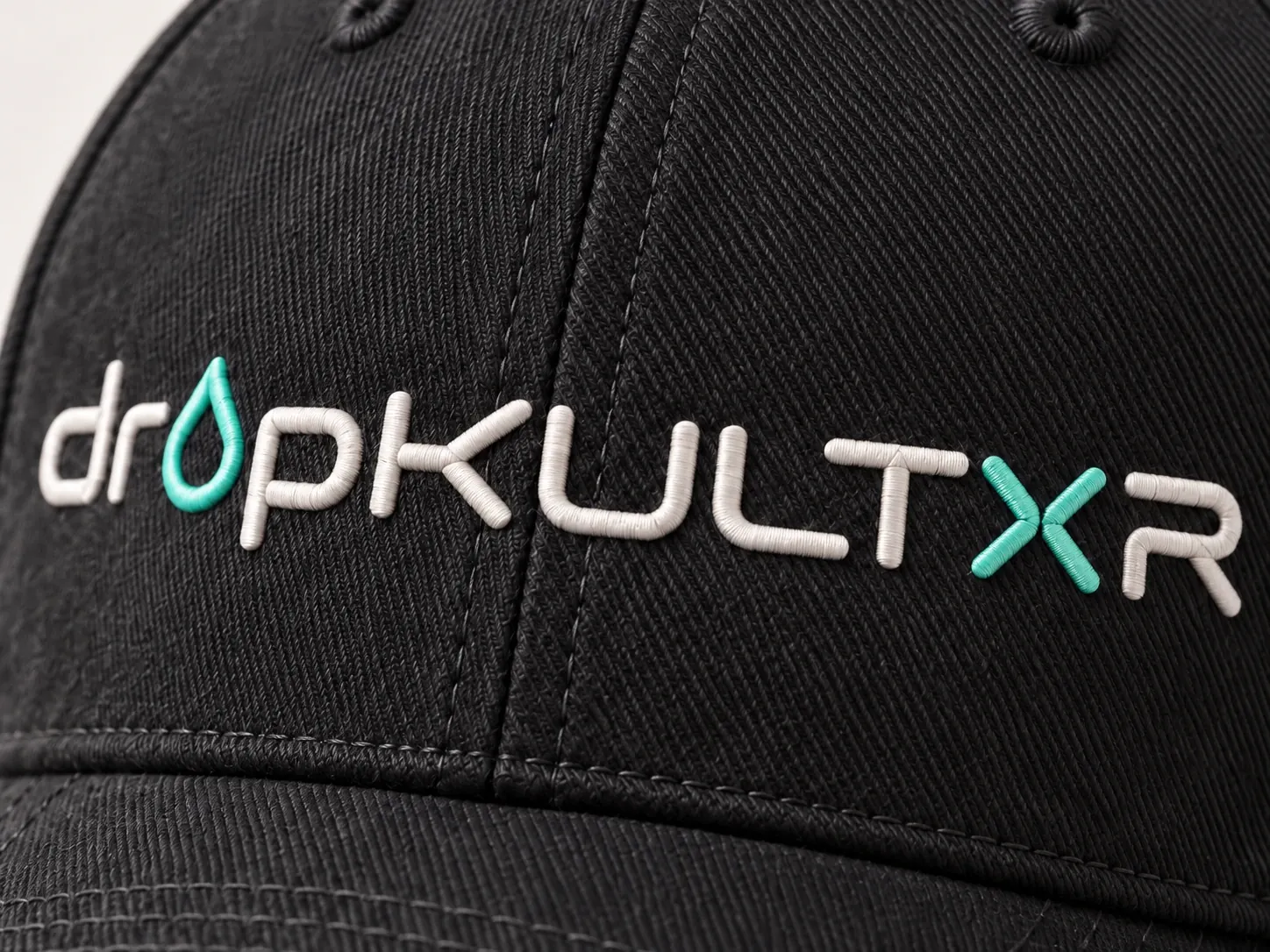
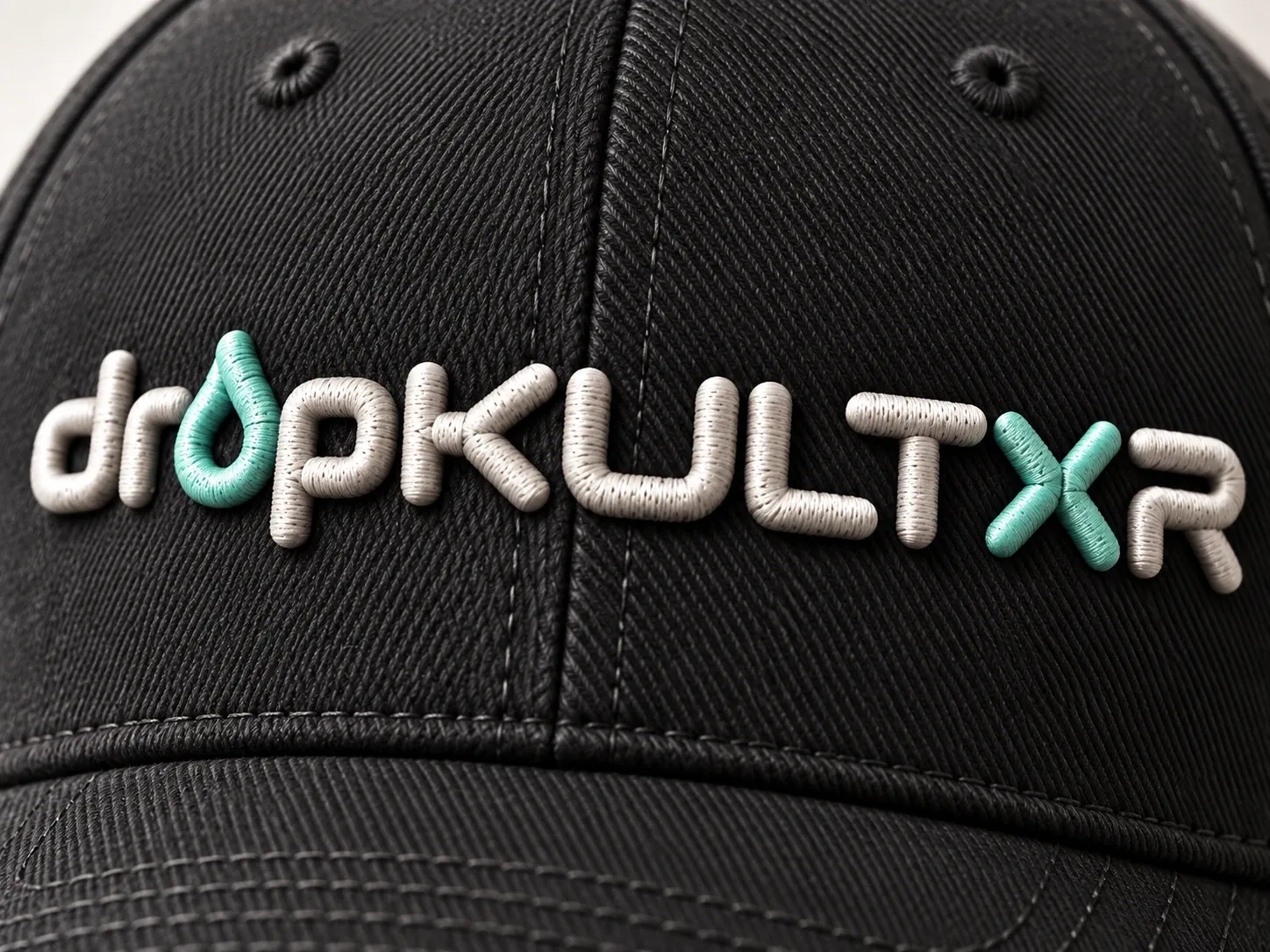
Chain stitch, flat and raised puff on one cap. Pick one and look at the stitch: this is the decision people make from a table and then regret when the sample arrives.
Looped chain embroidery
Chain stitch
A single continuous looped thread, so the mark reads as a drawn line rather than a filled shape. The loop itself is visible up close and is the point.
- Suits
- Script, monograms and anything that should look made rather than manufactured. Varsity and heritage work lives here.
- Limit
- It is a line, not a fill. Solid blocks of colour and tight counters fill in, and the loop wants a stroke it can follow.
- Typical minimum
- Low to medium
- Lead time
- Standard
Satin and fill stitch
Flat embroidery
Dense satin stitch laid flat against the twill. The surface is smooth and slightly glossed, and the edge of the mark is where the stitch direction turns.
- Suits
- Logos, wordmarks and most brand marks. The default finish, and the one that reproduces a mark closest to how it was drawn.
- Limit
- Stitch resolution is a hard floor: small text below roughly 5mm becomes unreadable, and hairline strokes break rather than thin.
- Typical minimum
- Low to medium
- Lead time
- Standard
3D foam embroidery
Raised puff
Foam is laid under the stitch and trimmed away after, so the letterform stands off the crown and casts its own shadow. It is the only finish you can read from the side.
- Suits
- Bold lettering and heavy marks that want real physical presence. Reads across a room and photographs with depth.
- Limit
- Needs simple heavy forms. Fine detail collapses entirely, and thin strokes cannot hold the foam, so a mark usually has to be redrawn for it.
- Typical minimum
- Medium
- Lead time
- Standard, plus a digitising round
Concept renders from the dropKULTXR art direction, not photographs of a produced run. Minimums and lead times are indicative and confirmed per programme against the specific hat and artwork.
Decoration
Choosing a method.
Indicative guidance. Confirmed per programme against the specific hat and artwork.
| Method | Best for | Watch out for | Typical minimum |
|---|---|---|---|
| 3D puff embroidery | Bold lettering and marks with real physical presence | Needs simple heavy forms; fine detail collapses entirely | Medium |
| Flat embroidery | Logos, wordmarks and most brand marks | Small text below roughly 5mm becomes unreadable | Low to medium |
| Woven and leather patches | Premium feel, more detail than stitch allows, collector appeal | Adds cost and lead time; application method matters as much as the patch | Medium |
| Rubber and silicone patches | Durable, modern, holds crisp edges on a curved surface | Longer tooling lead time; higher minimum than woven | Medium to high |
| Undervisor print | A detail that rewards the person wearing it rather than the person looking | Only works on a flat or lightly curved undervisor | Low |
| Custom closures and eyelets | Finishing that makes a stock blank read as a designed product | Committed early; usually the longest-lead component | Medium to high |
Constraints worth knowing before you design
Stitch resolution is a hard floor. Embroidery cannot reproduce hairline strokes or small text, and pushing it produces a mark that looks broken rather than fine. If your logo depends on thin detail, a woven or rubber patch is the honest answer rather than a heroic digitising attempt.
The crown curves, so artwork distorts. A design that looks square in a flat mockup will bow on a six-panel crown. Placement across the front seam of a six-panel needs the artwork to be built for it, and a five-panel behaves completely differently.
Panel seams limit width. On a six-panel cap the usable front area is narrower than people expect, because the centre seam interrupts it. A five-panel gives you a clean front but a different silhouette, and that is a design decision rather than a technical one.
Structured and unstructured are not interchangeable. The same artwork on a stiff high-crown cap and a washed dad cap produces two different products at two different price points for two different audiences. Pick the silhouette before the graphic.
Sample the hat, not the render. Headwear is the category where a physical sample matters most. Crown height, brim curvature and how a patch sits are all things you cannot judge from a flat image, and they are the things people notice.
Bring us the hat.
Silhouette, quantity, timing and what goes on the front. We come back with real options and an honest read on the detail.