Work
See the product.
Understand the thinking.
Every metric on a case study here names how it was calculated, the period it covers, and whether the result is historical, projected or illustrative. A case study does not go up without a named person who approved those claims.
Case studies
The first case studies publish as programmes close.
Each one carries reconciled numbers, the client’s approval on every claim and a named person accountable for them.
MOCKThe format a published one will follow is written out in full, for review.
Concept collections
Concepts, not client work.
Garments designed to show what a dropKULTXR piece looks like. The mark sits on the neck label, except on the cap, where the embroidery is the point. None was made for a client, and none is presented as one.
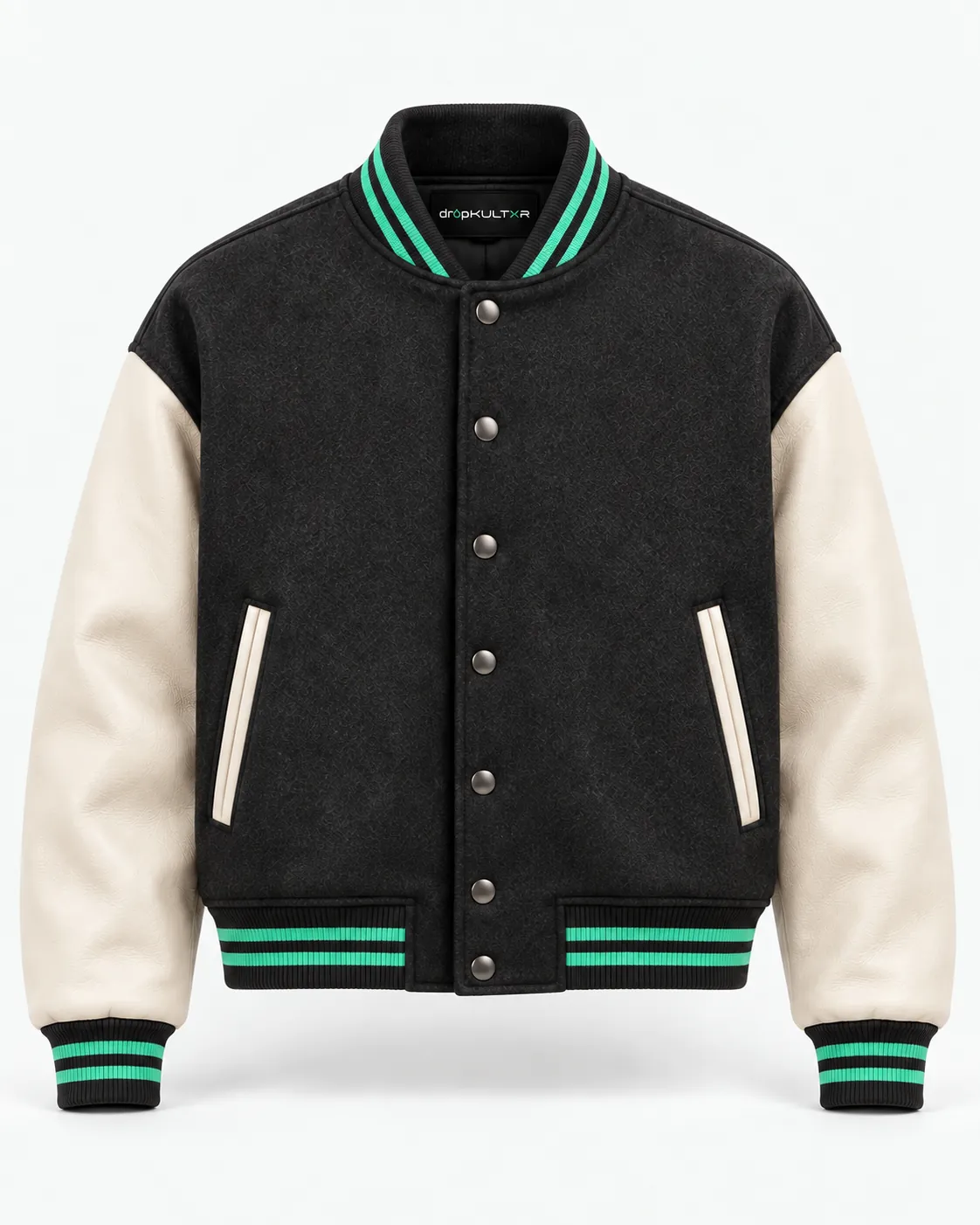
Concept — signature letterman
Charcoal wool, bone sleeves, mint ribbing. How a varsity piece reads in this palette.
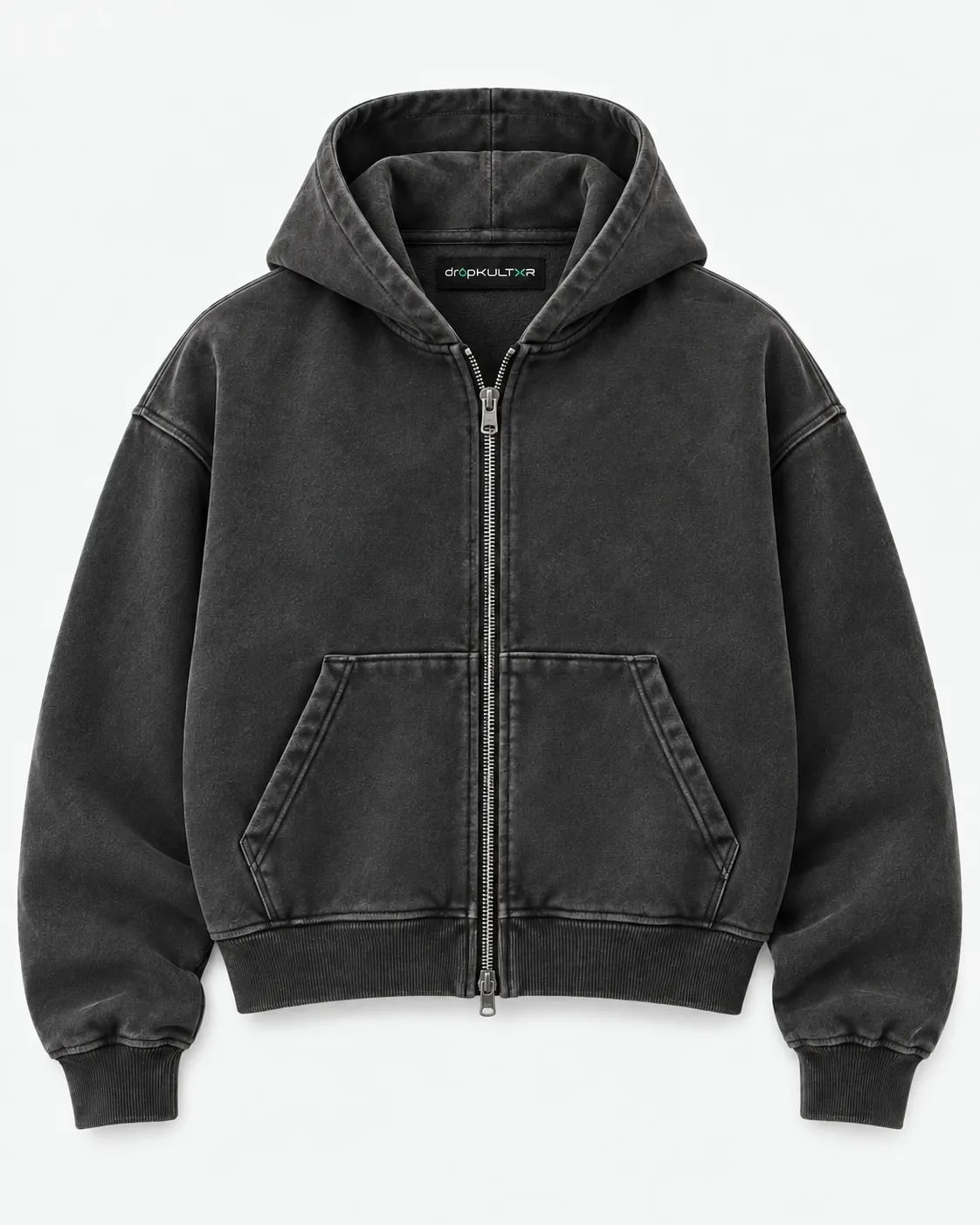
Concept — washed zip hoodie
Cropped, washed charcoal, a two-way zip. The everyday piece a drop is built around.
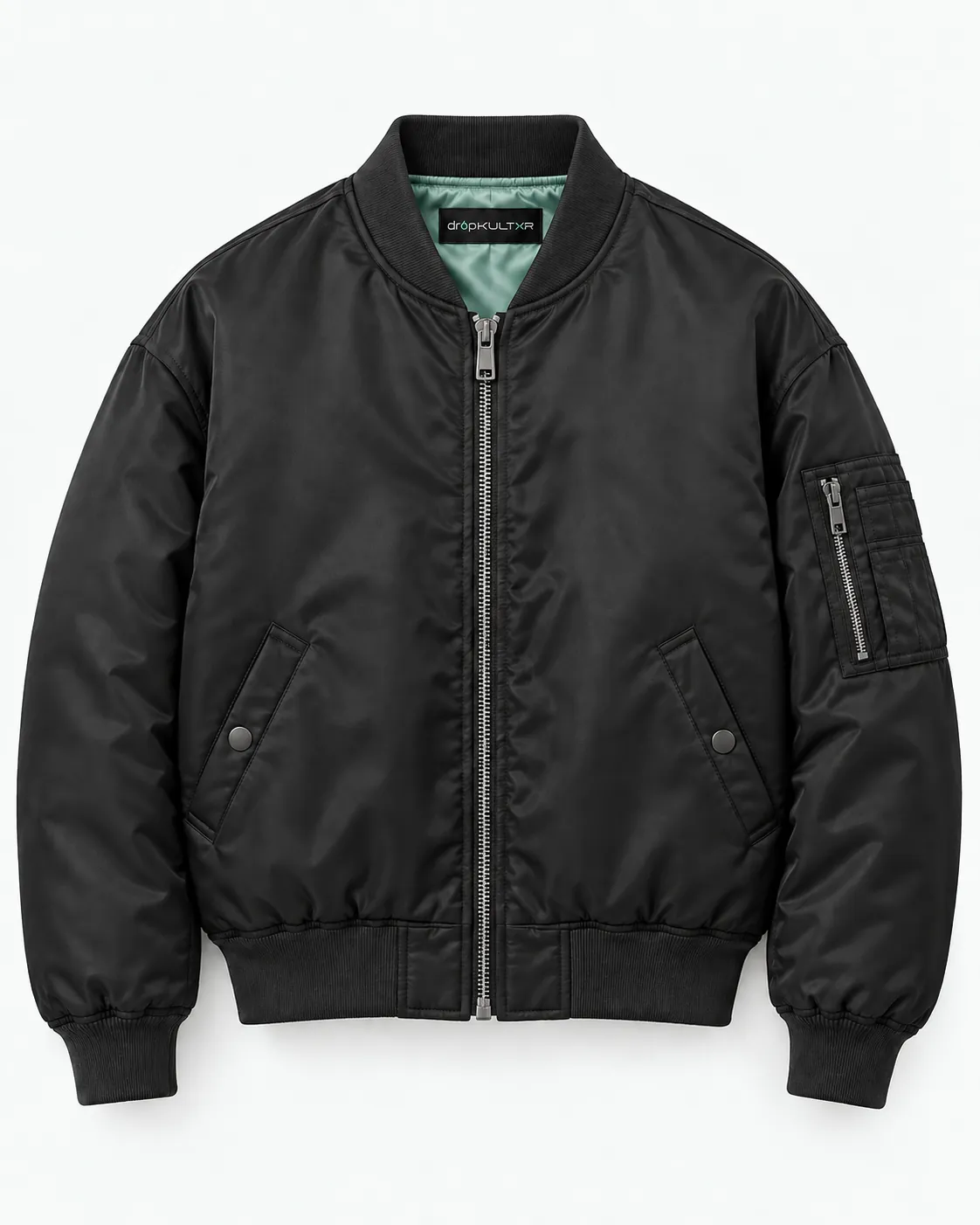
Concept — nylon bomber
Black nylon with a mint lining and a sleeve utility pocket.

Concept — embroidered cap
Flat embroidery on a washed dad hat, the one place the wordmark goes on the front.
What a case study here will always tell you
How the metric was calculated. Sell-through against what denominator, over what period, including or excluding returns. A percentage without a definition is decoration.
Whether the number is historical, projected or illustrative. Those three things get presented identically across most of this industry, and the difference matters enormously if you are making a decision based on one.
What went wrong. Programmes have exceptions — a supplier slip, a colour issue, a forecast that was off. A case study that reads as flawless is a case study that has been edited into uselessness.
Who approved it. Every published claim has a named owner internally, and the client has signed off on their own numbers appearing.
Planning something like this?
Tell us the moment and the audience. The first programmes to close become the first case studies here, written to the standard above.